
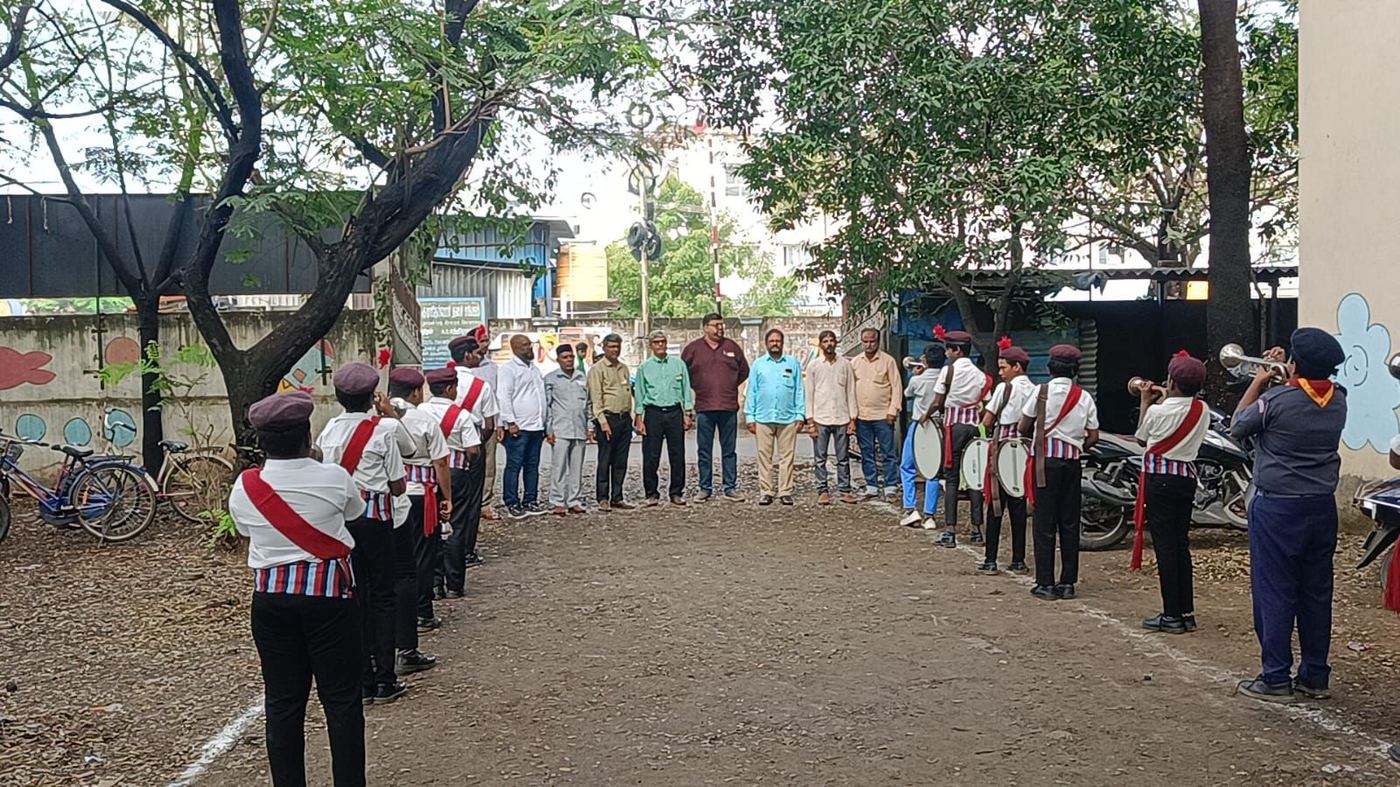
School eventsAnnual Day, Sports Day, national days and celebrations at the Husainy Schools.
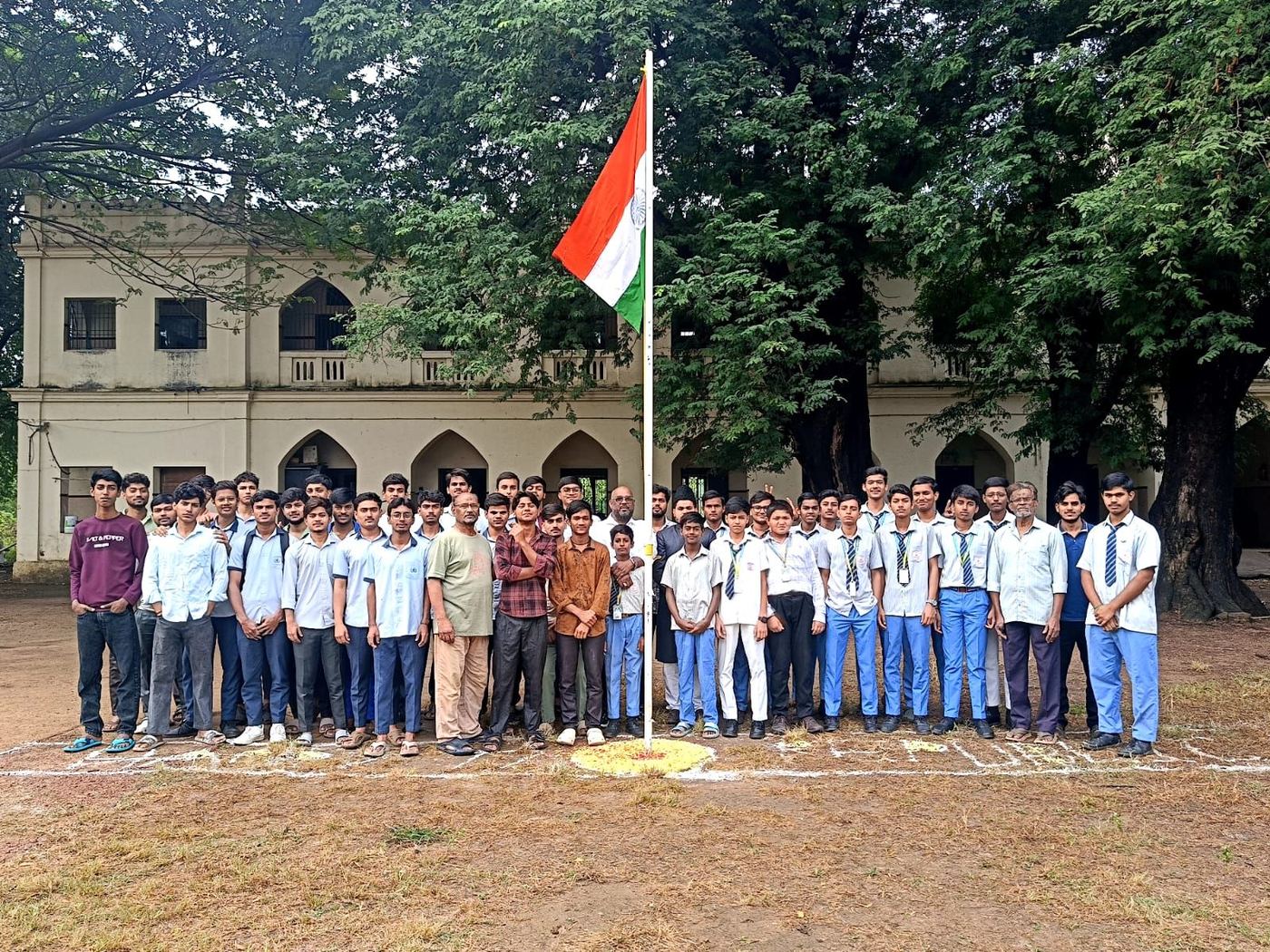
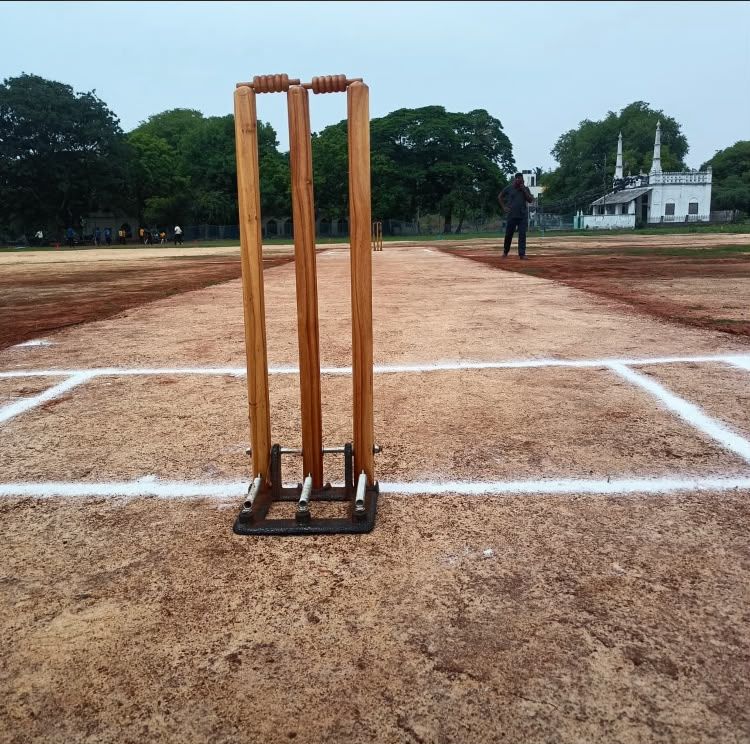
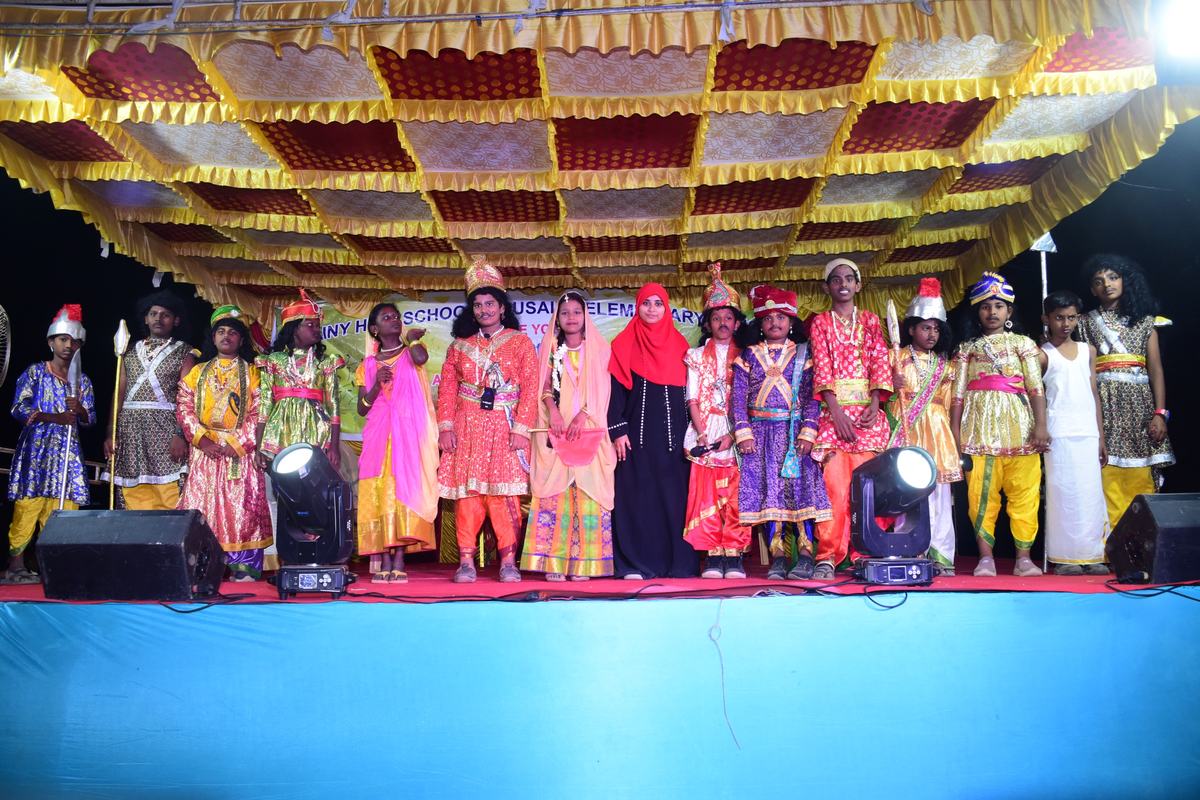
Through the year, The Husainy Trust brings its community together: school and Home events on the Husainabad campus, sports and cultural programmes, and, every Muharram, Husain Day, the occasion for which the Trust is best known.
No upcoming events are listed right now. Please check back soon, or follow the notice board on the home page.
Every Muharram, for more than eight decades, Chennai has gathered across every faith to honour Imam Husain (a.s.).
The Husainy Trust is known for its schools and its Home for Children. It is best known, though, for Husain Day. Each year, two days after Ashura, the Trust invites leaders from public life and from every religion to the historic Thousand Lights Mosque, to remember the grandson of the Prophet Muhammad (s.a.w.w.), who gave his life, and the lives of his family and companions, for truth, justice and the dignity of all people.
“Insaan ko bedaar to ho lene do,
har qaum pukaregi, hamare hain Hussain.”
Only let humanity awaken, and every people will claim, “Hussain is ours.”
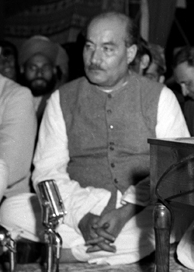 Josh Malihabadi · Shaayar-e-Inqilaab, the Poet of the Revolution
Over more than eight decades, the Husain Day stage has been graced by Chief Ministers and Governors of Tamil Nadu, Union and State Ministers, legislators, and senior officers of the Indian Administrative and Police Services. Beside them have stood Hindu and Christian priests, Shia and Sunni scholars, and Sufi leaders, each speaking, in their own words, of what Imam Husain (a.s.) means to them.
The audience mirrors the stage. Families of every religion and walk of life fill the hall, making Husain Day one of Chennai’s most enduring traditions of interfaith harmony.
“The sacrifice of Imam Hussain is not limited to one country or nation; it is the heritage of the brotherhood of all mankind.”
 Dr. Rajendra Prasad · First President of India · attributed
Husain Day is held in the premises of the Thousand Lights Mosque on Anna Salai, at the Bada Naksha, the Bargah-e-Abbas (a.s.). Built in 1810 by Nawab Umdat-ul-Umara of the Carnatic, the mosque takes its name from the thousand oil lamps that once lit the assembly hall on its site. With its five domes and two minarets, it is one of the largest mosques in India, a landmark of Chennai, and the seat of the Chief Shia Qazi of Tamil Nadu.
Followed by dinner for all.
Held each year on 12 Muharram. As the Islamic calendar is lunar, the date moves about eleven days earlier each year.Grandson of the Prophet Muhammad (s.a.w.w.) and, for Shia Muslims, the third Imam, Imam Husain (a.s.) was martyred at Karbala on the 10th of Muharram, 61 AH (680 CE), with his family and companions, for refusing to bow to tyranny.
“In a distant age and climate, the tragic scene of the death of Hosein will awaken the sympathy of the coldest reader.”
 Edward Gibbon · The Decline and Fall of the Roman Empire
Imam Husain ibn Ali (a.s.) was born in Medina on 3 Sha‘ban, 4 AH (626 CE), to Imam Ali ibn Abi Talib (a.s.) and Lady Fatima al-Zahra (s.a.), the daughter of the Prophet Muhammad (s.a.w.w.). The Prophet loved him and his elder brother, Imam Hasan (a.s.), dearly, and said: “Husain is from me, and I am from Husain.”
For Shia Muslims he is the third Imam, the divinely appointed guide of the community after his father and his brother, Imam Hasan (a.s.). He led the community for ten years from 50 AH (670 CE).
In 60 AH (680 CE) Yazid, son of Muawiya, took power and demanded the allegiance of Imam Husain (a.s.). The Imam refused to lend his name to a ruler he saw as corrupt and unjust. He left Medina for Mecca and then, answering letters from the people of Kufa, set out for Iraq with his family and a small band of companions.
On 2 Muharram 61 AH Yazid’s army stopped them on the plain of Karbala, and from the 7th cut them off from the waters of the Euphrates. On the 10th of Muharram, the day of Ashura (10 October 680 CE), Imam Husain (a.s.) was martyred with his family and companions, about seventy-two in all, among them his brother Abbas, his son Ali Akbar and his six-month-old son Ali Asghar.
The women and children, led by his sister Lady Zaynab (s.a.) and his ailing son Imam Ali Zayn al-Abidin (a.s.), were taken captive to Kufa and Damascus. Lady Zaynab’s sermons before the very rulers who had done this made sure the world would never forget Karbala. Today his shrine in Karbala draws millions of pilgrims every year.
The Trust’s founder, S. V. Mir Ahmed Ali, came from the Sajjadi family, descendants of Imam Zayn al-Abidin (a.s.), and wrote the life of Imam Husain (a.s.) in Husain, the Saviour of Islam.
Imam Husain (a.s.) did not go to Karbala to win a throne. He refused to lend his name to injustice, even when it cost him his life and the lives of those he loved most. A stand for truth over power, made with open eyes and against impossible odds, is something every faith and every culture recognises as its own.
On the road to Karbala, the army sent to stop him ran out of water in the desert heat. Imam Husain (a.s.) had his own water given to the soldiers and their horses. Their commander, Hurr, later crossed over to his side, and the Imam welcomed him without reproach. His courage was never cruelty, and that moves people of every background.
Those who fell beside Imam Husain (a.s.) at Karbala included Arabs and non-Arabs, the old and the young, freed slaves and nobles. Tradition remembers Jaun, an elderly African freedman, and Wahb, a young convert from Christianity, who died with him as equals. Karbala belongs to no single community.
In India his memory has long crossed every line of faith. The Hussaini Brahmins, a Mohyal community, hold that an ancestor fought for Imam Husain (a.s.) at Karbala. Hindu poets such as Chhannu Lal Dilgir wrote marsiyas, or elegies, on Karbala, and Munshi Premchand wrote the Hindi play Karbala in 1924. In towns and villages across the country, Hindu and Christian families take part in Muharram to this day.
The family of the Prophet, the Ahlul Bayt, is honoured by every Muslim school of thought. Sufi tradition holds Imam Husain (a.s.) especially dear: verses long attributed to Khwaja Moinuddin Chishti of Ajmer call him “king and emperor” who gave his head but never his hand to Yazid. The poet-philosopher Muhammad Iqbal wrote that Karbala taught the meaning of the Qur’an.
Leaders of the freedom movement and thinkers from the West, from Mahatma Gandhi to Edward Gibbon, saw in Karbala the moral power of the oppressed. For anyone in public life, Imam Husain (a.s.) is a reminder that integrity is worth more than office, and that courage is measured by what one refuses to do.
“Qatl-e-Hussain asl mein marg-e-Yazid hai,
Islam zinda hota hai har Karbala ke baad.”
The killing of Hussain is, in truth, the death of Yazid; Islam is reborn after every Karbala.
 Maulana Mohammad Ali Jauhar · Leader of the Khilafat Movement and freedom fighter
“No battle in the modern and past history of mankind has earned more sympathy and admiration, or provided more lessons, than the martyrdom of Husayn in the battle of Karbala.”
“I learned from Hussain how to achieve victory while being oppressed.”
 Mahatma Gandhi · Father of the Nation · attributed
“My faith is that the progress of Islam does not depend on the use of the sword by its believers, but is the result of the supreme sacrifice of Hussain.”
Mahatma Gandhi · Father of the Nation · attributed“If India wants to be a successful country, it must follow in the footsteps of Imam Hussain.”
Mahatma Gandhi · Father of the Nation · attributed“If I had an army like the 72 soldiers of Hussain, I would win freedom for India in 24 hours.”
Mahatma Gandhi · Father of the Nation · attributed“Imam Hussain’s sacrifice is for all groups and communities, an example of the path of righteousness.”
 Pandit Jawaharlal Nehru · First Prime Minister of India · attributed
“In order to keep alive justice and truth, instead of an army or weapons, success can be achieved by sacrificing lives, exactly what Imam Hussain did.”
 Rabindranath Tagore · Nobel laureate in Literature, 1913 · attributed
“Imam Hussain is the leader of humanity.”
Rabindranath Tagore · Nobel laureate in Literature, 1913 · attributed“Though Imam Hussain gave his life almost 1,300 years ago, his indestructible soul rules the hearts of people even today.”
 Dr. S. Radhakrishnan · Second President of India · attributed
“I congratulate Muslims that from among them, Hussain, a great human being, was born, who is revered and honoured by all communities.”
 Sarojini Naidu · The Nightingale of India · attributed
“It is Hussain’s sacrifice that has kept Islam alive; otherwise there would be no one left in this world to take Islam’s name.”
“The best lesson which we get from the tragedy of Karbala is that Husain and his companions were rigid believers in God. They illustrated that numerical superiority does not count when it comes to truth and falsehood. The victory of Husain, despite his minority, marvels me!”
 Thomas Carlyle · Scottish historian and essayist · attributed
“Of that gallant band, male and female knew that the enemy forces around were implacable, and were not only ready to fight, but to kill. Denied even water for the children, they remained parched under the burning sun and scorching sands, yet not one faltered for a moment. Husain marched with his little company, not to glory, not to power or wealth, but to a supreme sacrifice, and every member bravely faced the greatest odds without flinching.”
Portraits: Wikimedia Commons. Quotations marked “attributed” are widely cited in tributes to Imam Husain (a.s.), but their original published source has not been confirmed.
Through the year, The Husainy Trust brings its community together: school and Home events on the Husainabad campus, sports and cultural programmes, and, every Muharram, Husain Day, the occasion for which the Trust is best known.
No upcoming events are listed right now. Please check back soon, or follow the notice board on the home page.
No past events in this category yet.
Every Muharram, for more than eight decades, Chennai has gathered across every faith to honour Imam Husain (a.s.).
The Husainy Trust is known for its schools and its Home for Children. It is best known, though, for Husain Day. Each year, two days after Ashura, the Trust invites leaders from public life and from every religion to the historic Thousand Lights Mosque, to remember the grandson of the Prophet Muhammad (s.a.w.w.), who gave his life, and the lives of his family and companions, for truth, justice and the dignity of all people.
“Insaan ko bedaar to ho lene do,
har qaum pukaregi, hamare hain Hussain.”
Only let humanity awaken, and every people will claim, “Hussain is ours.”
Josh Malihabadi · Shaayar-e-Inqilaab, the Poet of the RevolutionOver more than eight decades, the Husain Day stage has been graced by Chief Ministers and Governors of Tamil Nadu, Union and State Ministers, legislators, and senior officers of the Indian Administrative and Police Services. Beside them have stood Hindu and Christian priests, Shia and Sunni scholars, and Sufi leaders, each speaking, in their own words, of what Imam Husain (a.s.) means to them.
The audience mirrors the stage. Families of every religion and walk of life fill the hall, making Husain Day one of Chennai’s most enduring traditions of interfaith harmony.
“The sacrifice of Imam Hussain is not limited to one country or nation; it is the heritage of the brotherhood of all mankind.”
Dr. Rajendra Prasad · First President of India · attributedHusain Day is held in the premises of the Thousand Lights Mosque on Anna Salai, at the Bada Naksha, the Bargah-e-Abbas (a.s.). Built in 1810 by Nawab Umdat-ul-Umara of the Carnatic, the mosque takes its name from the thousand oil lamps that once lit the assembly hall on its site. With its five domes and two minarets, it is one of the largest mosques in India, a landmark of Chennai, and the seat of the Chief Shia Qazi of Tamil Nadu.
Followed by dinner for all.
Held each year on 12 Muharram. As the Islamic calendar is lunar, the date moves about eleven days earlier each year.Grandson of the Prophet Muhammad (s.a.w.w.) and, for Shia Muslims, the third Imam, Imam Husain (a.s.) was martyred at Karbala on the 10th of Muharram, 61 AH (680 CE), with his family and companions, for refusing to bow to tyranny.
“In a distant age and climate, the tragic scene of the death of Hosein will awaken the sympathy of the coldest reader.”
Edward Gibbon · The Decline and Fall of the Roman EmpireImam Husain ibn Ali (a.s.) was born in Medina on 3 Sha‘ban, 4 AH (626 CE), to Imam Ali ibn Abi Talib (a.s.) and Lady Fatima al-Zahra (s.a.), the daughter of the Prophet Muhammad (s.a.w.w.). The Prophet loved him and his elder brother, Imam Hasan (a.s.), dearly, and said: “Husain is from me, and I am from Husain.”
For Shia Muslims he is the third Imam, the divinely appointed guide of the community after his father and his brother, Imam Hasan (a.s.). He led the community for ten years from 50 AH (670 CE).
In 60 AH (680 CE) Yazid, son of Muawiya, took power and demanded the allegiance of Imam Husain (a.s.). The Imam refused to lend his name to a ruler he saw as corrupt and unjust. He left Medina for Mecca and then, answering letters from the people of Kufa, set out for Iraq with his family and a small band of companions.
On 2 Muharram 61 AH Yazid’s army stopped them on the plain of Karbala, and from the 7th cut them off from the waters of the Euphrates. On the 10th of Muharram, the day of Ashura (10 October 680 CE), Imam Husain (a.s.) was martyred with his family and companions, about seventy-two in all, among them his brother Abbas, his son Ali Akbar and his six-month-old son Ali Asghar.
The women and children, led by his sister Lady Zaynab (s.a.) and his ailing son Imam Ali Zayn al-Abidin (a.s.), were taken captive to Kufa and Damascus. Lady Zaynab’s sermons before the very rulers who had done this made sure the world would never forget Karbala. Today his shrine in Karbala draws millions of pilgrims every year.
The Trust’s founder, S. V. Mir Ahmed Ali, came from the Sajjadi family, descendants of Imam Zayn al-Abidin (a.s.), and wrote the life of Imam Husain (a.s.) in Husain, the Saviour of Islam.
Imam Husain (a.s.) did not go to Karbala to win a throne. He refused to lend his name to injustice, even when it cost him his life and the lives of those he loved most. A stand for truth over power, made with open eyes and against impossible odds, is something every faith and every culture recognises as its own.
On the road to Karbala, the army sent to stop him ran out of water in the desert heat. Imam Husain (a.s.) had his own water given to the soldiers and their horses. Their commander, Hurr, later crossed over to his side, and the Imam welcomed him without reproach. His courage was never cruelty, and that moves people of every background.
Those who fell beside Imam Husain (a.s.) at Karbala included Arabs and non-Arabs, the old and the young, freed slaves and nobles. Tradition remembers Jaun, an elderly African freedman, and Wahb, a young convert from Christianity, who died with him as equals. Karbala belongs to no single community.
In India his memory has long crossed every line of faith. The Hussaini Brahmins, a Mohyal community, hold that an ancestor fought for Imam Husain (a.s.) at Karbala. Hindu poets such as Chhannu Lal Dilgir wrote marsiyas, or elegies, on Karbala, and Munshi Premchand wrote the Hindi play Karbala in 1924. In towns and villages across the country, Hindu and Christian families take part in Muharram to this day.
The family of the Prophet, the Ahlul Bayt, is honoured by every Muslim school of thought. Sufi tradition holds Imam Husain (a.s.) especially dear: verses long attributed to Khwaja Moinuddin Chishti of Ajmer call him “king and emperor” who gave his head but never his hand to Yazid. The poet-philosopher Muhammad Iqbal wrote that Karbala taught the meaning of the Qur’an.
Leaders of the freedom movement and thinkers from the West, from Mahatma Gandhi to Edward Gibbon, saw in Karbala the moral power of the oppressed. For anyone in public life, Imam Husain (a.s.) is a reminder that integrity is worth more than office, and that courage is measured by what one refuses to do.
“Qatl-e-Hussain asl mein marg-e-Yazid hai,
Islam zinda hota hai har Karbala ke baad.”
The killing of Hussain is, in truth, the death of Yazid; Islam is reborn after every Karbala.
Maulana Mohammad Ali Jauhar · Leader of the Khilafat Movement and freedom fighter“No battle in the modern and past history of mankind has earned more sympathy and admiration, or provided more lessons, than the martyrdom of Husayn in the battle of Karbala.”
“I learned from Hussain how to achieve victory while being oppressed.”
Mahatma Gandhi · Father of the Nation · attributed“My faith is that the progress of Islam does not depend on the use of the sword by its believers, but is the result of the supreme sacrifice of Hussain.”
Mahatma Gandhi · Father of the Nation · attributed“If India wants to be a successful country, it must follow in the footsteps of Imam Hussain.”
Mahatma Gandhi · Father of the Nation · attributed“If I had an army like the 72 soldiers of Hussain, I would win freedom for India in 24 hours.”
Mahatma Gandhi · Father of the Nation · attributed“Imam Hussain’s sacrifice is for all groups and communities, an example of the path of righteousness.”
Pandit Jawaharlal Nehru · First Prime Minister of India · attributed“In order to keep alive justice and truth, instead of an army or weapons, success can be achieved by sacrificing lives, exactly what Imam Hussain did.”
Rabindranath Tagore · Nobel laureate in Literature, 1913 · attributed“Imam Hussain is the leader of humanity.”
Rabindranath Tagore · Nobel laureate in Literature, 1913 · attributed“Though Imam Hussain gave his life almost 1,300 years ago, his indestructible soul rules the hearts of people even today.”
Dr. S. Radhakrishnan · Second President of India · attributed“I congratulate Muslims that from among them, Hussain, a great human being, was born, who is revered and honoured by all communities.”
Sarojini Naidu · The Nightingale of India · attributed“It is Hussain’s sacrifice that has kept Islam alive; otherwise there would be no one left in this world to take Islam’s name.”
“The best lesson which we get from the tragedy of Karbala is that Husain and his companions were rigid believers in God. They illustrated that numerical superiority does not count when it comes to truth and falsehood. The victory of Husain, despite his minority, marvels me!”
Thomas Carlyle · Scottish historian and essayist · attributed“Of that gallant band, male and female knew that the enemy forces around were implacable, and were not only ready to fight, but to kill. Denied even water for the children, they remained parched under the burning sun and scorching sands, yet not one faltered for a moment. Husain marched with his little company, not to glory, not to power or wealth, but to a supreme sacrifice, and every member bravely faced the greatest odds without flinching.”
Portraits: Wikimedia Commons. Quotations marked “attributed” are widely cited in tributes to Imam Husain (a.s.), but their original published source has not been confirmed.